Project Description
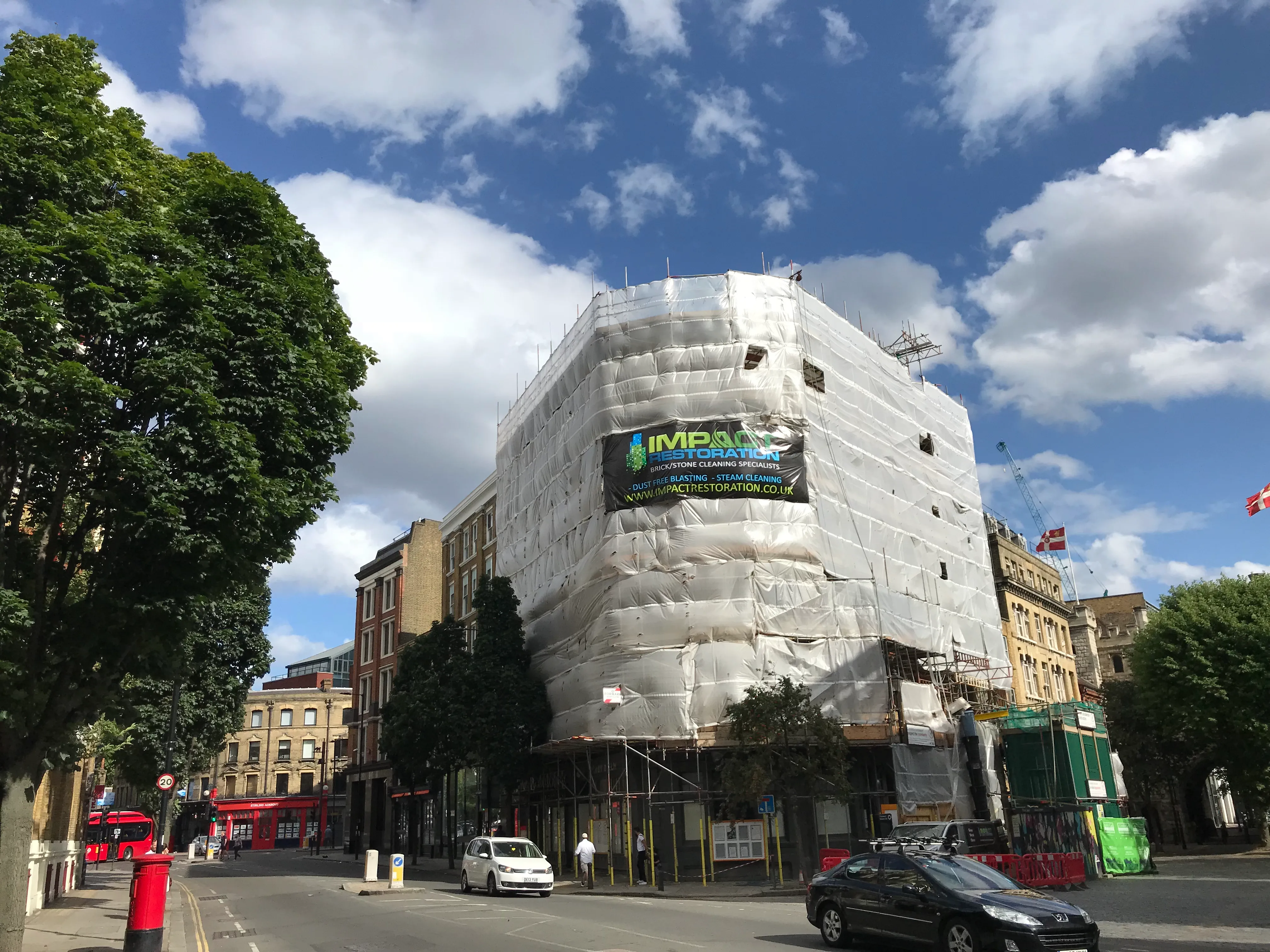
Impact Restoration restored the historic brick façade at Pennybank Chambers, London, using specialist blast cleaning and conservation-led brick cleaning techniques.
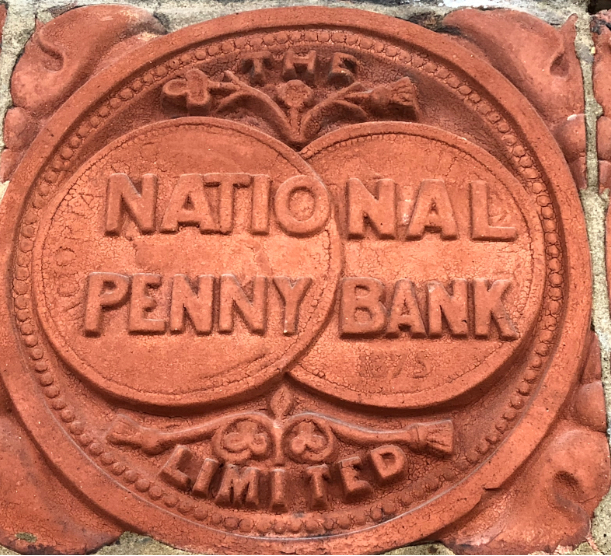
Pennybank Chambers is a late Victorian heritage commercial building located at 33-35 St John’s Square in Clerkenwell, London. Originally built in 1880 for the National Penny Bank Corporation Limited, the building was designed by Charles Henman and William Harrison and provided a mixture of shops, artisans’ dwellings and a new banking branch.
The building forms part of Clerkenwell’s rich architectural and commercial history. Its original purpose reflected the area’s identity as a place of trade, craft, enterprise and urban living.
Today, Pennybank Chambers has been carefully reimagined as high-quality office and showroom space, rebuilt behind its retained Victorian façade as part of a wider commercial redevelopment.
Impact Restoration Ltd was appointed to carry out specialist blast cleaning and brick façade cleaning works as part of the refurbishment programme led by GMS Estates. The project required a sensitive, conservation-led approach that would restore the building’s external appearance while preserving the original Victorian masonry and architectural character.
The Building’s Historical Importance
Pennybank Chambers is more than a refurbished commercial building. It is a surviving piece of Clerkenwell’s late Victorian streetscape.
The National Penny Bank was created to make saving and banking more accessible to working people, and Pennybank Chambers reflected this purpose through its mixed-use design. It brought together banking, retail and artisans’ dwellings in one building, supporting both commercial activity and urban working life.
This heritage remains central to the building’s identity. Although the interior has been adapted for contemporary office use, the retained brick façade continues to tell the story of the building’s original role. It gives Pennybank Chambers its presence, texture and sense of place.
The building also sits within the Clerkenwell Conservation Area, where the retention and care of original architectural features is especially important. The British Council for Offices described the scheme as being rebuilt behind the retained façade of a former Victorian artisan tenement block, with the completed project providing six floors of office space, a corner showroom and retail units.
For this reason, the façade restoration works needed to do more than clean the building. They needed to support the long-term preservation of an important historic frontage while contributing to the building’s next chapter as a premium commercial workspace.
The Challenge
Before restoration, the original Victorian brick façade had suffered from decades of environmental exposure, heavy soiling and urban pollution.
Like many historic London buildings, Pennybank Chambers had been exposed to traffic pollution, airborne contaminants, weathering and general surface build-up over many years. This had darkened and dulled the brickwork, masking the architectural detail and reducing the visual quality of the façade.
The project presented several key challenges:
- Heavy soiling from long-term environmental exposure and urban pollution
- Degradation and discolouration across the original Victorian brick façade
- Architectural detailing being masked by staining and surface contamination
- Requirement to work sensitively within a conservation area
- Need to protect the original brick and mortar during cleaning
- Coordination with wider structural refurbishment and redevelopment works
The original masonry was a defining feature of the building, so the cleaning method had to be carefully controlled. An overly aggressive approach could have damaged the face of the brick, affected the mortar or compromised the authenticity of the façade. At the same time, the contamination was significant enough to require a specialist restoration method capable of achieving a meaningful and long-lasting improvement.
The challenge was to restore the façade’s visual quality without stripping away the historic character that made the building important.
.webp)
The Solution
Impact Restoration delivered specialist blast cleaning and controlled brick façade cleaning using conservation-appropriate techniques.
The works focused on carefully removing long-term contamination, urban pollutants and surface build-up from the retained brick elevations. The objective was not to make the building look artificially new, but to reveal the original quality, colour and texture of the Victorian masonry while protecting the material beneath.
Key works included:
- Specialist blast cleaning of retained brick elevations
- Controlled brick façade cleaning
- Careful removal of long-term contamination and urban pollutants
- Protection of original Victorian masonry and mortar
- Sensitive treatment of the façade within a conservation-led refurbishment
- Integration with the wider construction and redevelopment programme
Blast cleaning can be highly effective on historic brickwork when used correctly. The method allows ingrained dirt, staining and pollutants to be removed from the surface, but it must be carefully matched to the material. For Pennybank Chambers, Impact Restoration used a controlled approach to achieve the required finish while preserving the integrity of the original brick and mortar.
This helped return clarity and depth to the façade, allowing the architectural detailing to become more visible and restoring the building’s presence within the streetscape.
Supporting The Wider Refurbishment
The façade cleaning works formed part of a wider refurbishment programme that transformed Pennybank Chambers into high-quality office and showroom space.
The scheme successfully blended retained heritage features with contemporary workplace design. The BCO Awards 2022 recognised Pennybank Chambers as the London Regional Winner in the Projects up to 1,500m² category, noting that the building had been rebuilt behind a retained façade and now provides six floors of office space, a corner showroom and three retail units.
Impact Restoration’s work contributed to this transformation by ensuring the historic exterior matched the quality of the redevelopment behind it. A premium commercial refurbishment relies heavily on how the building presents from the outside, especially when the retained façade is one of the most important parts of the project.
By restoring the brickwork, Impact Restoration helped create a stronger connection between the building’s heritage and its modern use.
Preserving Character For The Years Ahead
Restoring a historic façade is about more than immediate appearance. It helps protect the building for the years to come.
When heavy soiling, pollution and surface contamination are left untreated, they can continue to affect the look and condition of historic masonry. Contaminants can hold moisture, obscure defects and make future maintenance more difficult.
Through controlled blast cleaning and brick façade cleaning, the façade at Pennybank Chambers was brought back to a cleaner, sharper and more protected condition. The work helped preserve the original materials while improving the building’s long-term presentation and commercial value.
This is especially important for heritage commercial buildings, where the façade is central to the identity of the asset. At Pennybank Chambers, the restored brickwork allows the building to continue expressing its Victorian character while supporting its new role as a modern workplace.
The Outcome
The completed works restored the visual quality of the historic façade and enhanced the architectural character of Pennybank Chambers.
The cleaning process removed decades of surface contamination and helped reveal the richness of the original Victorian brickwork. This created a cleaner and more refined exterior, supporting the building’s transformation into premium commercial office space.
The outcome included:
- Restored visual quality of the historic brick façade
- Enhanced architectural detail and character
- Protection of original Victorian masonry and mortar
- Successful integration with the wider refurbishment programme
- Improved external presentation for a premium commercial redevelopment
- Contribution to an award-recognised workplace scheme
The project demonstrates the importance of using the right restoration method for heritage buildings. Impact Restoration’s conservation-led approach helped protect the building’s historic integrity while supporting the high-quality finish required for modern commercial use.
Keeping Historic Buildings Alive
Pennybank Chambers shows how specialist façade restoration can help historic buildings continue to thrive in a modern city.
Rather than replacing or concealing the original brickwork, the project protected and enhanced it. The façade remains a visible connection to the building’s Victorian origins, while the restored exterior supports its future as a high-quality commercial workspace.
Impact Restoration’s work helped keep the building’s history alive, not as something frozen in the past, but as a valuable part of its continued use, identity and long-term appeal.
“Impact Restoration delivered a highly professional and sensitive approach to restoring the historic façade, helping to achieve an exceptional finish that complements the building’s redevelopment.”
.png)


.png)