Why Planned Exterior Maintenance Matters For Property Managers
Planned exterior maintenance helps property managers protect building façades, reduce reactive repair costs, preserve asset value and keep properties looking their best.
For property managers, the exterior condition of a building is never just a cosmetic issue. It affects how the property is perceived, how well the building performs, how tenants experience the space and how effectively long-term maintenance costs can be controlled.
Commercial and managed residential buildings are exposed to constant pressure from weather, pollution, biological growth, traffic grime, bird fouling, staining and general environmental wear. Over time, these issues can make a building look tired, but they can also contribute to deeper material deterioration if they are not addressed properly.
This is why planned exterior maintenance matters. Rather than waiting for visible problems to become urgent, property managers can take a more controlled approach, protecting the building’s appearance, materials and long-term value.
Planned, not reactive
Exterior maintenance is easier to control before problems become urgent.
A planned approach helps property managers protect the building, reduce disruption and keep exterior works aligned with the wider management of the asset.
Reactive route
1
Visible staining or surface deterioration appears
2
Tenant, occupier or client concerns are raised
3
Works become urgent, disruptive and harder to plan
Planned route
1
Assess exterior condition and surface risks early
2
Schedule the right restoration method at the right time
3
Protect appearance, materials and long-term value
Planned Maintenance
Assess. Schedule. Restore. Protect.
01
Inspect exterior condition
02
Choose the right method
03
Deliver with less disruption
Cost control
Plan works before small issues become expensive problems.
Tenant confidence
Keep managed buildings looking cared for and professional.
Asset protection
Preserve materials instead of replacing them too early.
Less disruption
Schedule access, safety and delivery around the property.
Moving Away From Reactive Maintenance
Many exterior maintenance issues are only addressed once they become obvious. A façade becomes heavily stained, gutters overflow, cladding looks neglected, stonework becomes discoloured or tenants begin raising concerns about the appearance of the building.
At that point, the work often becomes reactive. Reactive maintenance can be more disruptive, harder to plan and more expensive than a controlled programme of planned care. It can also mean that problems have been allowed to develop for longer than necessary.
Planned exterior maintenance helps property managers stay ahead of these issues. Instead of responding only when the building looks neglected, regular inspections and scheduled restoration work can help maintain a stronger standard year-round.
This does not mean constantly cleaning the building. It means understanding the condition of the exterior, identifying areas of risk and planning the right interventions at the right time.
Protecting the Building Fabric
The exterior of a building is its first line of defence. Brickwork, stone, cladding, render, metalwork, glazing and roofline elements all help protect the structure beneath.
When contaminants build up over time, they can affect more than the appearance of the property. Dirt, algae, moss, pollution and moisture-retaining deposits can sit against the surface and contribute to staining, weathering and gradual deterioration.
Porous materials such as brick and stone can be particularly vulnerable when moisture and biological growth are left untreated. Modern cladding systems, coated finishes and architectural metalwork can also suffer from staining, dulling or surface breakdown if not managed correctly.
A planned maintenance approach helps protect these materials. By cleaning, restoring and inspecting surfaces at suitable intervals, property managers can help extend the life of the building exterior and reduce the risk of avoidable repair works.
Preserving Asset Value
For landlords, investors and managing agents, the external condition of a property has a direct influence on asset value. A building that looks tired or poorly maintained can affect tenant confidence, leasing potential and overall market perception.
First impressions matter. Tenants, visitors, clients, residents and contractors all form an opinion of the building before they step inside. A clean, well-maintained exterior suggests the property is managed properly and cared for consistently.
Planned exterior maintenance helps preserve this standard. It ensures that staining, pollution, surface deterioration and visible wear are dealt with before they begin to undermine the property’s presentation.
This can be especially important for commercial offices, managed residential blocks, mixed-use developments, retail spaces, hospitality buildings and public-facing assets. The exterior appearance contributes directly to the reputation of the building and the people responsible for managing it.
Reducing Long-Term Costs
One of the most practical reasons for planned exterior maintenance is cost control.
Small issues are usually easier and more cost-effective to address than larger problems. Surface staining, early biological growth, blocked drainage points, failing coatings or minor material wear can often be managed efficiently if they are identified early.
When these issues are left too long, they can become more difficult to treat. Heavy contamination may require more intensive restoration. Damaged materials may need repair or replacement. Poorly maintained surfaces may affect surrounding elements or lead to additional access, safety and disruption costs.
Planned maintenance helps property managers budget more effectively. Instead of dealing with sudden, unplanned exterior works, maintenance can be scheduled, prioritised and aligned with wider property management plans.
This creates better control over both cost and disruption.
Supporting Tenant and Occupier Satisfaction
For occupied buildings, exterior maintenance has a direct impact on tenant and occupier experience.
A poorly maintained exterior can lead to complaints about appearance, cleanliness, safety or general property standards. In managed residential blocks, residents may raise concerns about staining, algae, bird fouling, dirty entrances or neglected communal areas. In commercial buildings, tenants may worry that the external condition reflects badly on their own business.
Planned exterior maintenance helps reduce these concerns. It shows that the building is actively managed and that the property team is taking steps to maintain a clean, professional and safe environment.
This can support tenant retention, reduce complaints and improve confidence in the management of the property.
Identifying Problems Early
Exterior maintenance is not only about cleaning or restoration. It is also an opportunity to inspect the condition of the building.
When professionals assess and work on a façade, roofline, cladding system or external surface, they may identify early signs of deterioration that could otherwise be missed. This might include cracks, failed sealants, staining linked to water run-off, damaged coatings, corrosion, loose materials or areas where moisture appears to be affecting the surface.
Early visibility is valuable for property managers. It allows issues to be reviewed and addressed before they become larger, more disruptive or more costly.
Planned exterior maintenance can therefore support wider building condition monitoring. It gives property managers a clearer understanding of what is happening across the exterior envelope of the building.
Reducing Disruption Through Better Planning
Exterior works often require access equipment, site coordination, tenant communication, health and safety planning and careful scheduling. If the work is reactive, this can become difficult to organise quickly.
Planned maintenance allows these requirements to be considered in advance. Works can be scheduled around tenant needs, business operations, quieter periods or other planned projects. Access can be arranged properly. Risk assessments and method statements can be prepared. Communication can be handled clearly.
This is particularly important for live commercial buildings, managed residential developments, public-facing properties and busy urban sites.
A planned approach helps reduce disruption and ensures that exterior works are carried out safely, efficiently and with minimal impact on building users.
Choosing Restoration Over Replacement
In many cases, exterior surfaces that look tired or heavily stained do not necessarily need replacing. They may simply need the right restoration process.
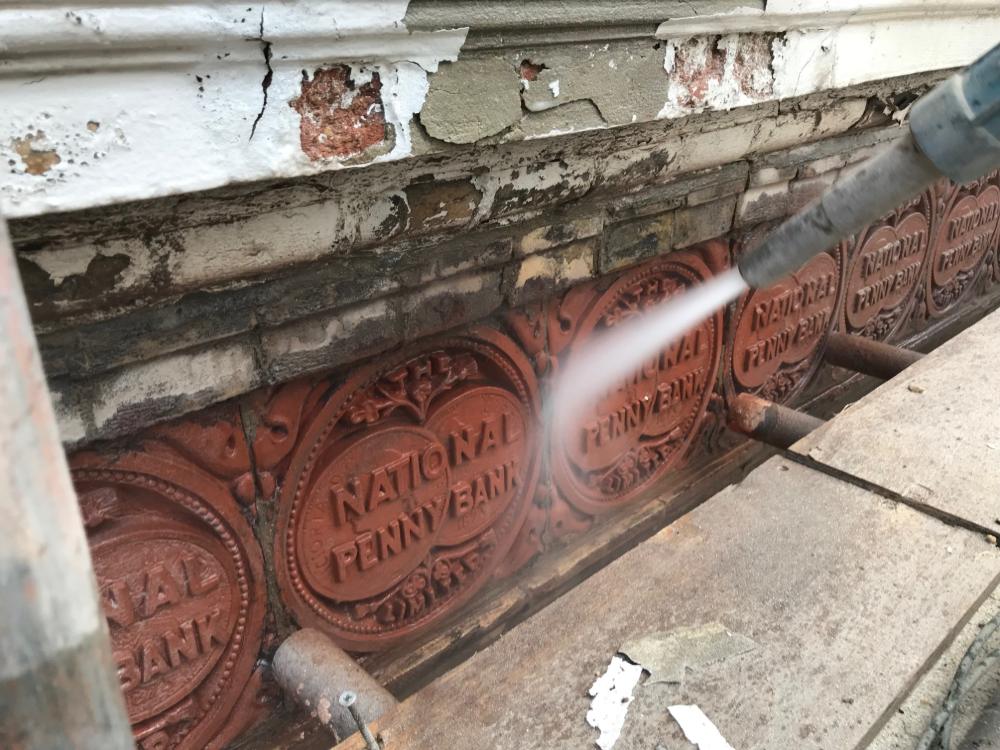
Brickwork, stone, cladding, metalwork and other external materials can often be brought back to a much stronger condition through specialist cleaning and restoration. Removing years of pollution, staining, biological growth or surface contamination can dramatically improve the appearance of a building while preserving the existing materials.
This can help property managers avoid unnecessary replacement, reduce waste and control costs. It also supports more sustainable property management by extending the life of materials already in place.
Professional restoration is particularly valuable when the goal is not just a quick visual improvement, but a long-lasting result that protects the building for the years ahead.
Matching the Method to the Building
Every building requires a different approach. A heritage brick building may need careful steam cleaning. A modern commercial façade may require cladding cleaning, metal restoration or glass polishing. An industrial property may need dust-free blasting, surface preparation or coating support.
Using the wrong method can cause damage. High pressure, harsh chemicals or unsuitable abrasive techniques can affect finishes, open up porous materials or compromise delicate surfaces.
This is why property managers should work with specialists who understand material condition, access requirements, façade types and restoration methods. The correct approach should always be selected based on the surface, the level of contamination and the desired long-term outcome.
Planned maintenance gives property managers the time to make these decisions properly, rather than rushing into reactive works under pressure.
Supporting Health, Safety and Compliance
Exterior maintenance also has a health and safety dimension. Bird fouling, slippery algae, loose materials, deteriorating finishes and poorly maintained access areas can create risks for residents, tenants, staff, visitors and the public.
A planned maintenance programme helps identify and manage these risks. It also ensures that works are delivered with the correct planning, including access arrangements, risk assessments, method statements, site controls and trained operatives.
For property managers, this level of planning is essential. It protects building users, supports duty of care and helps ensure that works are carried out professionally on live or occupied sites.
A Smarter Approach To Property Management
Planned exterior maintenance gives property managers better control. It allows them to protect the building, preserve presentation, support tenants and reduce the likelihood of expensive reactive works.
Rather than treating façade cleaning and exterior restoration as occasional one-off tasks, property managers can use them as part of a wider strategy for protecting the property.
This does not mean over-maintaining the building, it means understanding what the exterior needs, when it needs it and which method will deliver the best long-term result.
For commercial and managed residential properties, that level of control can make a significant difference to cost, performance and appearance.
Planned Exterior Maintenance With Impact Restoration
Impact Restoration works with property managers, managing agents, landlords, developers, contractors and commercial property teams to deliver specialist exterior cleaning and building restoration.
Our approach focuses on long-lasting restoration, careful surface protection and professional delivery across live and complex environments. From façade cleaning, steam cleaning and dust-free blasting to cladding cleaning, metal restoration, paint removal and specialist surface preparation, we select the right method for the building and the desired outcome.
By supporting planned exterior maintenance, Impact Restoration helps property managers protect their buildings, preserve long-term value and keep properties looking their best for the years ahead.

%20(1).webp)